# Vintage Rustic Wooden Sideboard Cabinet: A Comprehensive Guide to Design, Style, and Functionality
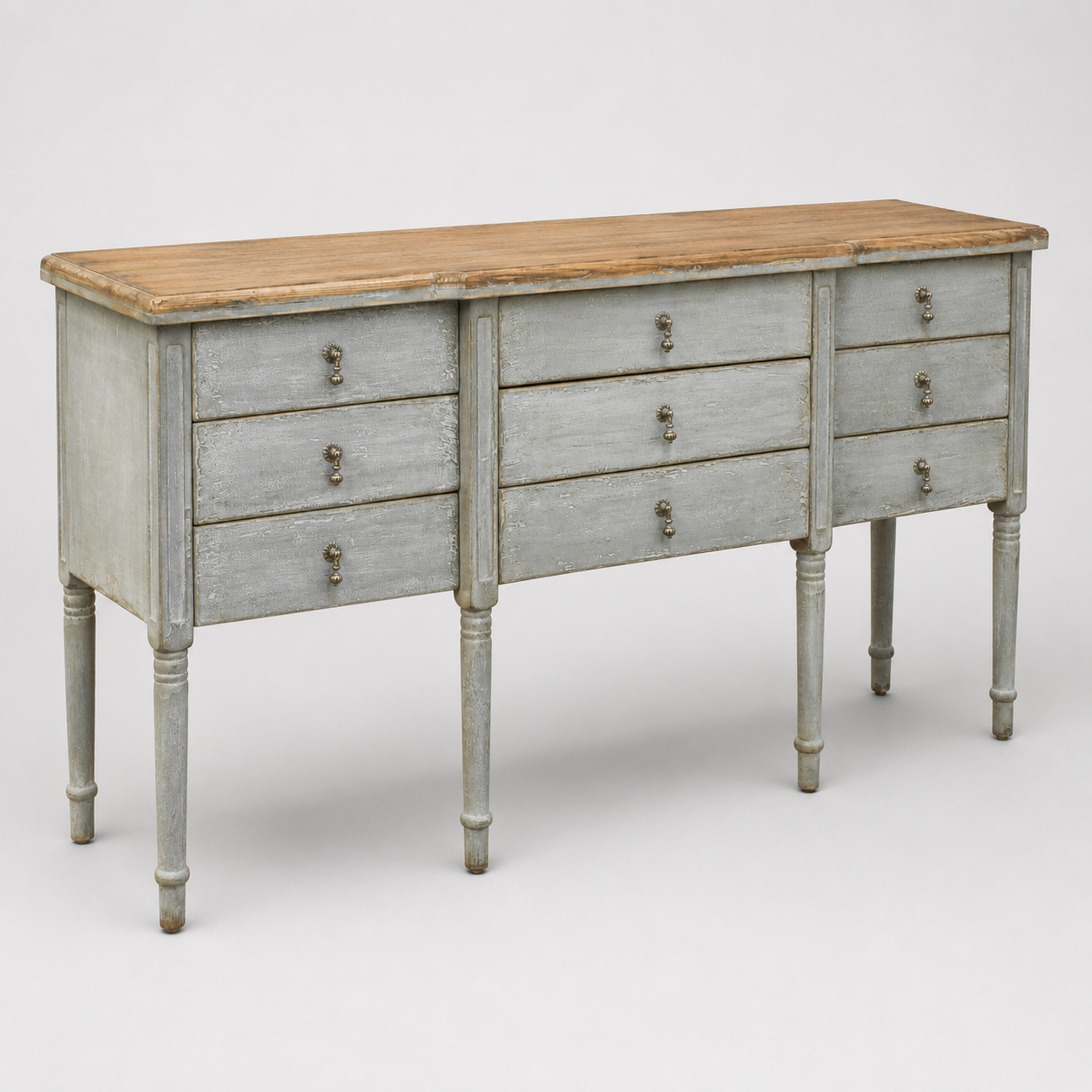
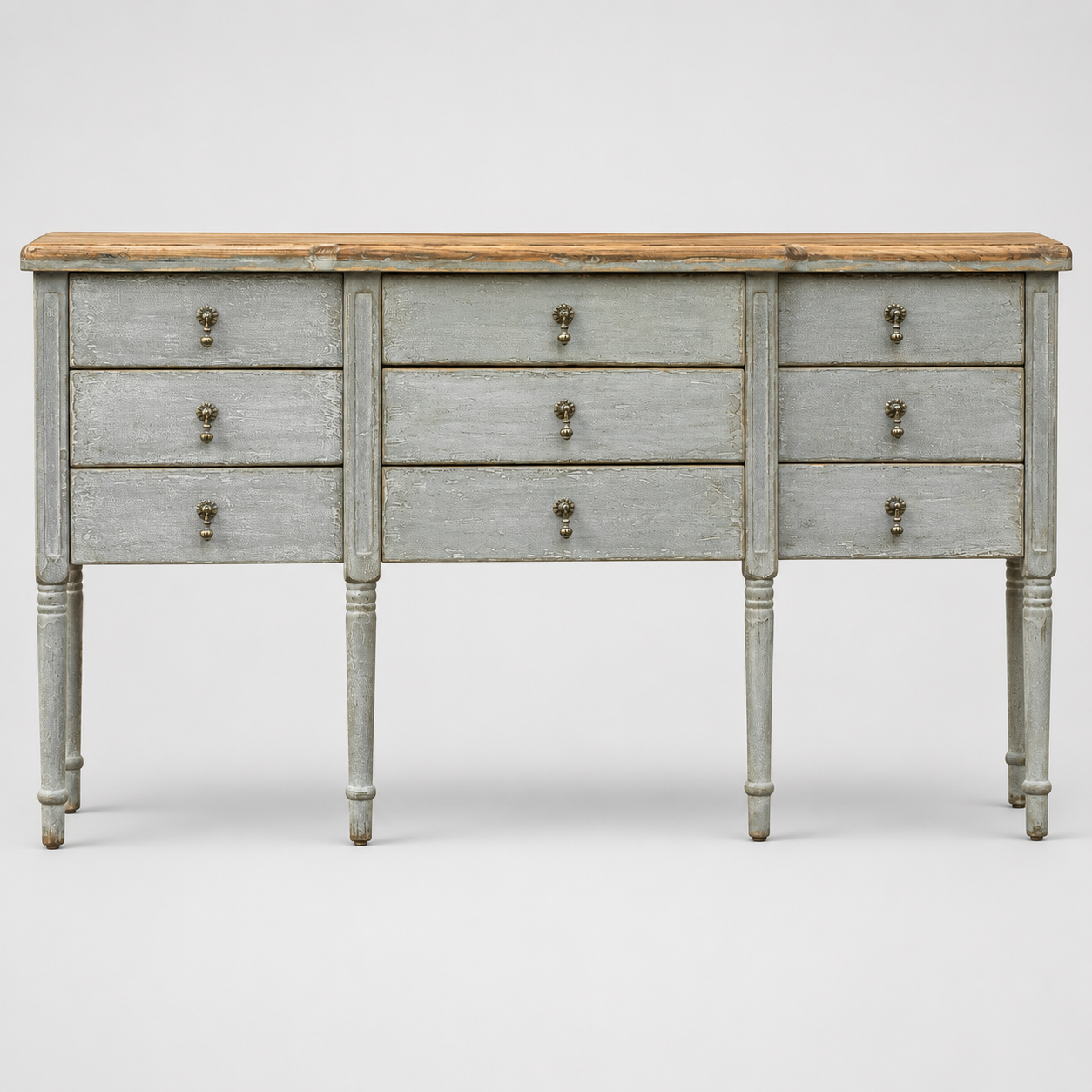
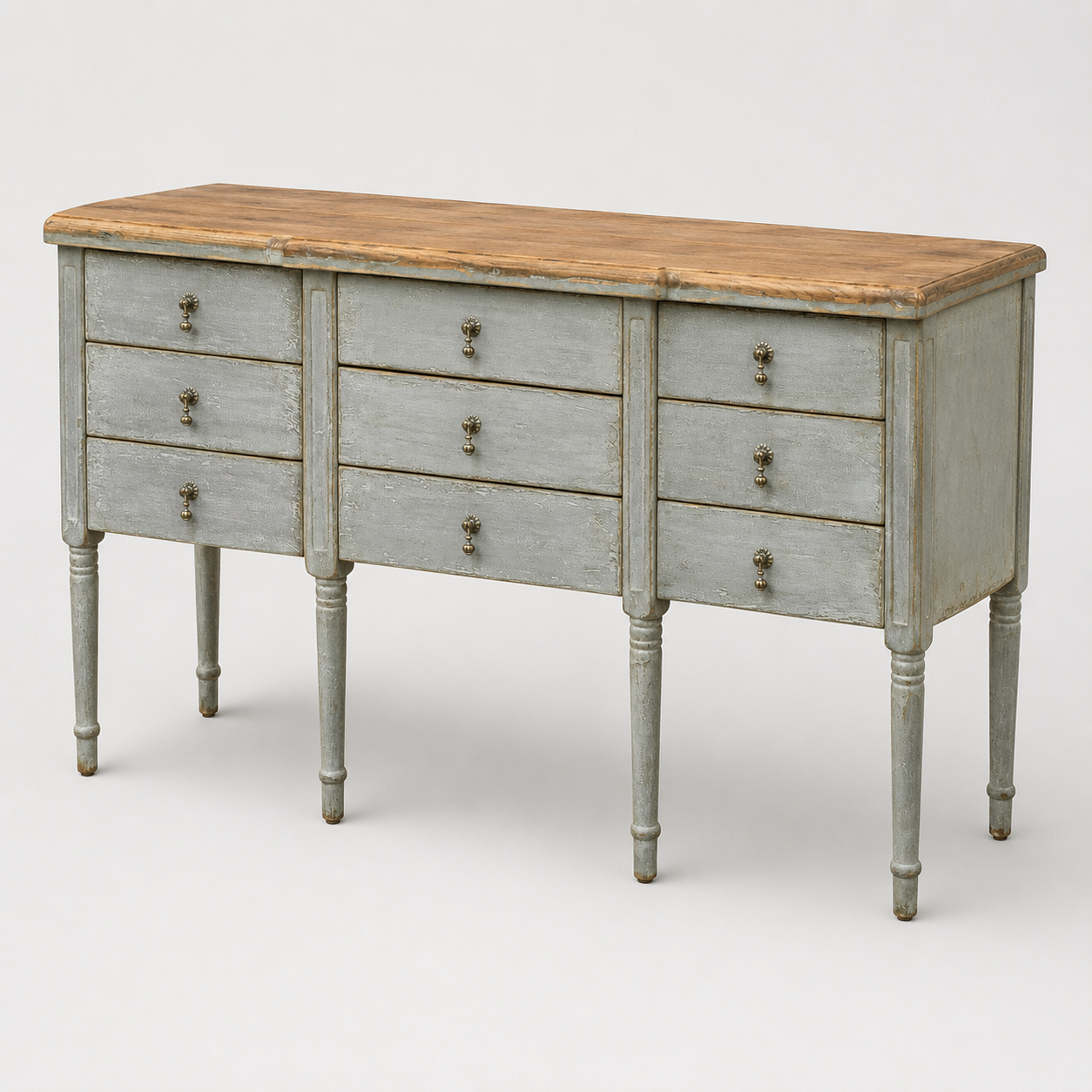
The charm of vintage rustic wooden furniture has captivated enthusiasts for generations. Among such timeless pieces, the vintage rustic wooden sideboard cabinet stands out as an essential item that marries aesthetic appeal with functional utility. This article will delve into various aspects of these cabinets, providing insights into their design features, styling tips, and practical uses in modern homes.
## Understanding Vintage Rustic Aesthetics
Before diving into the specifics of vintage rustic wooden sideboard cabinets, it’s essential to understand the core characteristics of this aesthetic. The vintage rustic style embodies a sense of warmth, nostalgia, and comfort, emphasizing natural materials, handcrafted details, and a cozy ambiance. Key elements include:
- **Natural Wood Finishes**: The use of real wood with visible grain patterns, knots, and imperfections adds character and authenticity.
- **Distressed Look**: Many vintage pieces feature a weathered appearance, achieved through techniques like sanding, painting, or using reclaimed wood.
- **Functional Design**: Rustic furniture often prioritizes functionality, making it perfect for modern living spaces where practicality is key.
## Key Features of Vintage Rustic Wooden Sideboard Cabinets
When selecting a vintage rustic wooden sideboard cabinet, it’s important to consider a variety of design elements. Here are some crucial features to look for:
### 1. Product Detail Section
Every well-crafted sideboard cabinet typically includes a detailed product description outlining its unique features and specifications. This section should cover dimensions, materials, and any notable craftsmanship elements.
### 2. Dimensions: Width, Max Width, and Padding
The dimensions of the sideboard cabinet play a significant role in determining where it will fit within your space. Consider the following:
- **Width**: The overall width of the cabinet will dictate how much surface area you have for display and storage.
- **Max Width**: Ensure the cabinet fits comfortably in your designated space without overwhelming the room.
- **Padding**: If the cabinet has any padding, particularly around edges, it can add to its visual weight and safety, especially in households with children.
### 3. Background and Color
The background against which the sideboard is displayed can significantly influence its visual impact. When choosing a cabinet, consider:
- **Background**: A neutral background, like white or beige, will enhance the natural beauty of the wood grain.
- **Color**: While many rustic cabinets remain in their natural wood tones, painted options in muted colors can also add a charming touch.
### 4. Font Family and Text Align
For those who may wish to personalize their sideboard with labels or names (especially in kitchens or dining rooms), the choice of font can be essential. A rustic, serif font can complement the vintage aesthetic beautifully. Ensure that:
- **Font Family**: Choose fonts that resonate with the rustic theme.
- **Text Align**: Centered text can provide a clean and organized look on signage or decorative accents.
### 5. Design Elements: Margin, Margin Bottom, and Gap
When arranging items atop or within your sideboard cabinet, consider spacing and layout to maintain an organized appearance:
- **Margin**: Leave adequate space between items to prevent clutter.
- **Margin Bottom**: Items at the lower level should also have breathing room, which aids accessibility.
- **Gap**: Maintain consistent gaps between clustered decor items for visual coherence.
### 6. Product Title and Product Description
When purchasing or showcasing a sideboard cabinet, having a clear product title and description is paramount. These elements should not only describe the piece but also evoke its story and craftsmanship, appealing to potential buyers or guests.
### 7. Font Size, Font Weight, and Letter Spacing
If you create labels or signage for your cabinet, consider the following:
- **Font Size**: Ensure text is legible from a distance, particularly if used for kitchen labeling.
- **Font Weight**: A bolder font can draw attention without overshadowing the cabinet’s rustic charm.
- **Letter Spacing**: Proper spacing ensures readability while maintaining a cohesive aesthetic.
### 8. Feature Box and Feature Item
To highlight specific attributes of your sideboard cabinet, consider creating a feature box on a website or promotional material. Within this box, showcase:
- **Feature Item**: Select standout elements, such as hand-carved details or unique storage solutions, to draw attention.
### 9. Grid Template Columns
For those looking to arrange multiple sideboards or related items, employing a grid template with defined columns can streamline the design process. This approach allows for:
- Visual symmetry: Ensuring all pieces align neatly.
- Easy navigation: Facilitating a pleasant browsing experience for customers or guests.
## Practical Uses of Vintage Rustic Wooden Sideboard Cabinets
Vintage rustic wooden sideboard cabinets are not just visually appealing; they serve a multitude of practical functions in various settings:
### 1. Storage Solutions
One of the primary functions of a sideboard cabinet is to provide storage. Whether used in a dining room for dishes and linens, a living room for books and games, or a hallway for shoes and bags, these cabinets offer versatile storage options.
### 2. Display Space
The top surface of a sideboard cabinet provides an excellent platform for displaying decorative items, family photos, or plants. Thoughtfully arranged decor can elevate the room's ambiance while reflecting personal style.
### 3. Kitchen Utility
In a kitchen setting, a sideboard can be an ideal spot for meal prep essentials, small appliances, or even a coffee station. It can help keep countertops clutter-free while adding character to the culinary space.
### 4. Entryway Organization
A sideboard cabinet placed in an entryway can serve as a catch-all for keys, mail, and bags. Adding hooks or a mirror above the cabinet can enhance its functionality while maintaining an organized entryway.
## Styling Your Vintage Rustic Wooden Sideboard Cabinet
Styling a vintage rustic wooden sideboard cabinet is all about balance and personal expression. Here are some tips to achieve a harmonious look:
### 1. Layering Textures
Combine different textures—such as woven baskets, ceramic pots, and glass vases—to create depth. This layering adds interest and dimension to the cabinet's display.
### 2. Seasonal Decor
Change decor according to seasons or holidays. Incorporate seasonal flowers, themed decorations, or festive tableware to keep the look fresh and inviting.
### 3. Choosing Accessories Wisely
Select accessories that complement the cabinet's rustic charm. Vintage books, antique finds, or handmade crafts can enhance the overall aesthetic.
### 4. Balance and Symmetry
Aim for a balanced arrangement without overcrowding the surface. Use the rule of thirds: group items in threes or fives for a more pleasing visual effect.
## Conclusion
A vintage rustic wooden sideboard cabinet is more than just a piece of furniture; it’s an embodiment of style, functionality, and nostalgia. By understanding its key features, practical uses, and styling possibilities, you can enhance your living space with this timeless addition. Whether you’re a seasoned collector or new to vintage rustic decor, investing in a quality sideboard cabinet can transform your home into a warm and inviting sanctuary. Embrace the charm of rustic aesthetics and let your sideboard cabinet be a centerpiece of both beauty and utility.